 Gb
Gb
 Français
 Deutsch
 Nederlands

Haut-Koenigsbourg castle is the most visited tourist site in Alsace after Strasbourg, with nearly 500,000 visitors...
Find an article
Our categories
Fresh from the blog View all
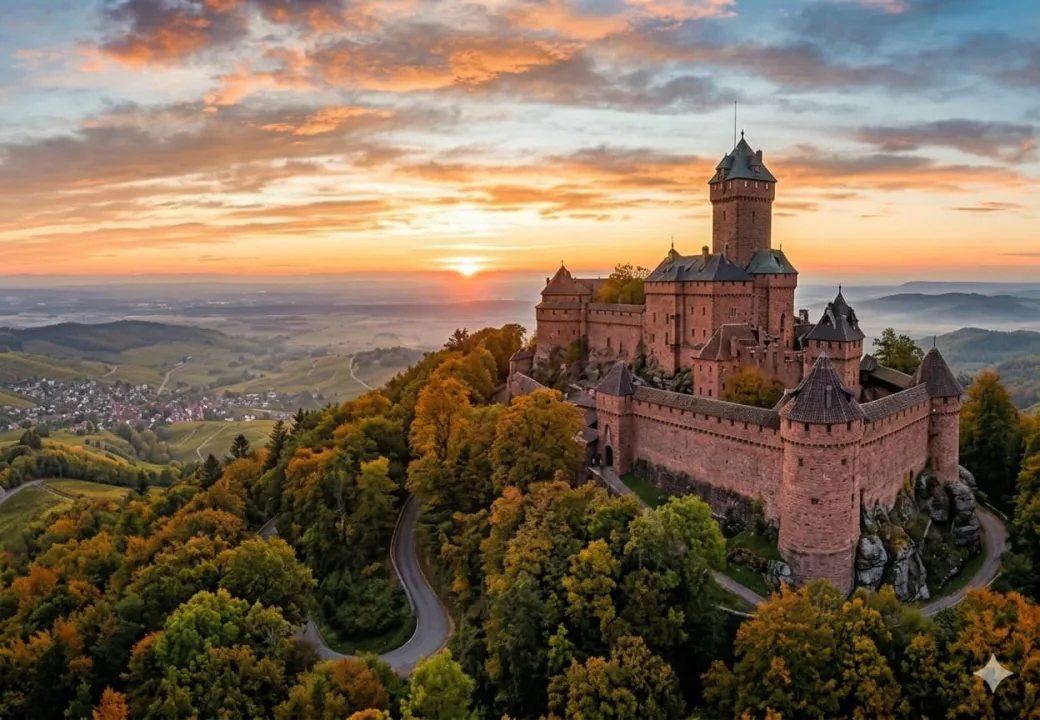
Haut-Koenigsbourg Castle - History and Visit Guide to Alsace's Mighty Fortress
Show more
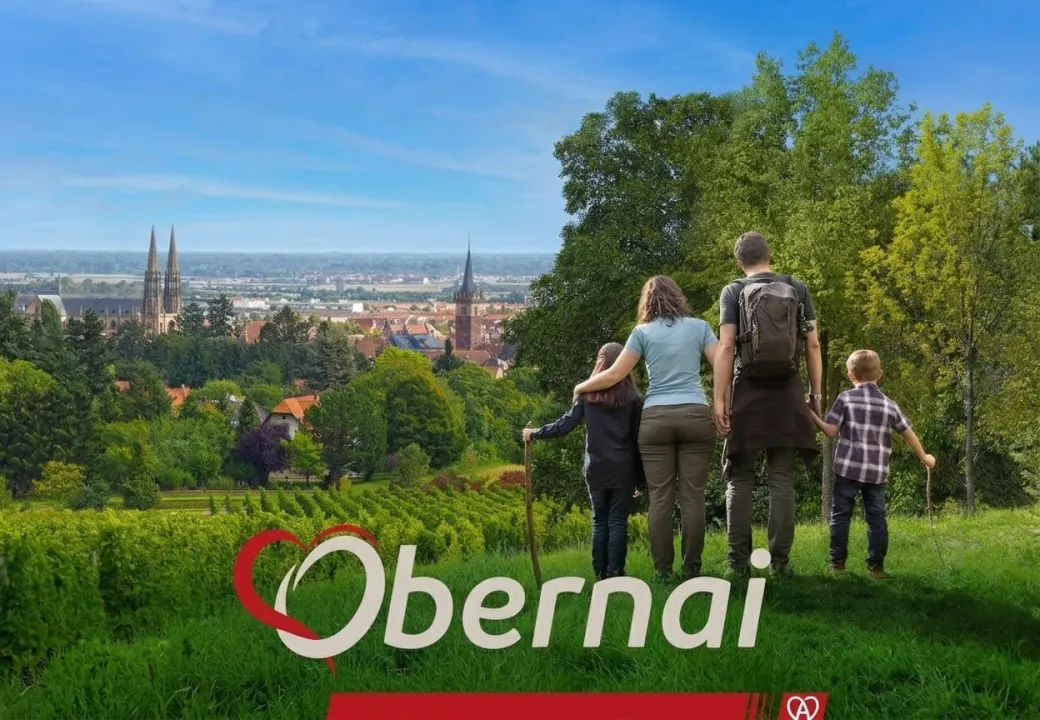
Obernai - Complete Guide to Visiting the Pearl of the Vosges Foothills
Show more
Obernai is one of the best-preserved medieval towns in Alsace. Nestled at the foot of the Vosges some twenty...
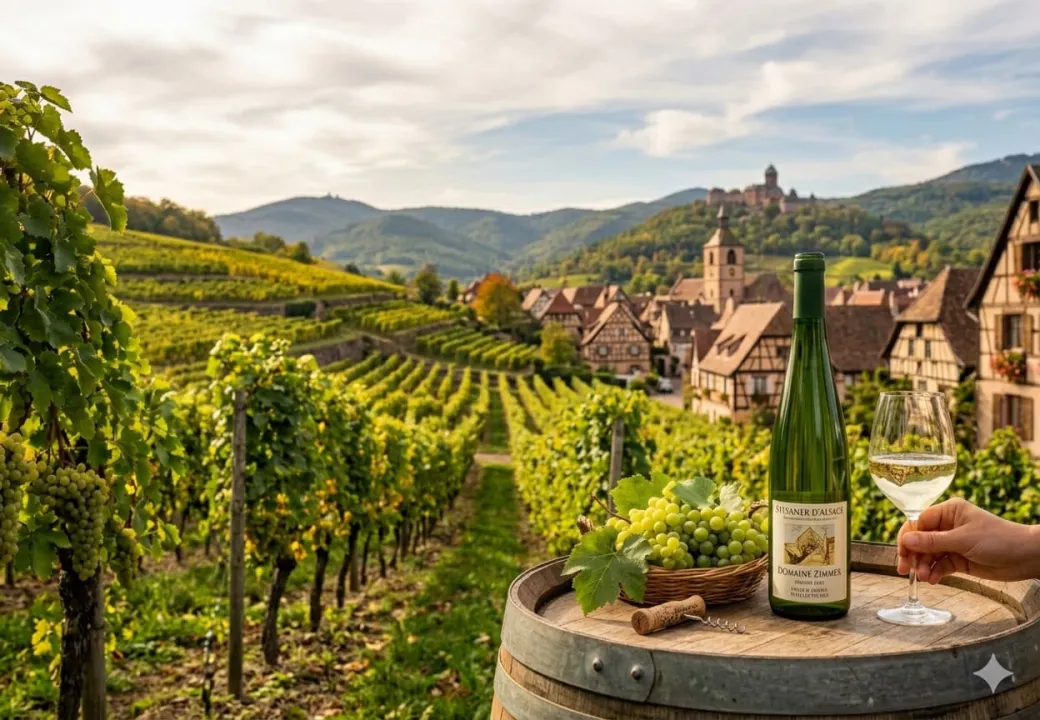
Alsatian Sylvaner - The Fresh and Discreet Grape of Alsatian Tables
Show more
Alsatian Sylvaner is the great misunderstood of Alsatian grape varieties. Less spectacular than Gewurztraminer, less...
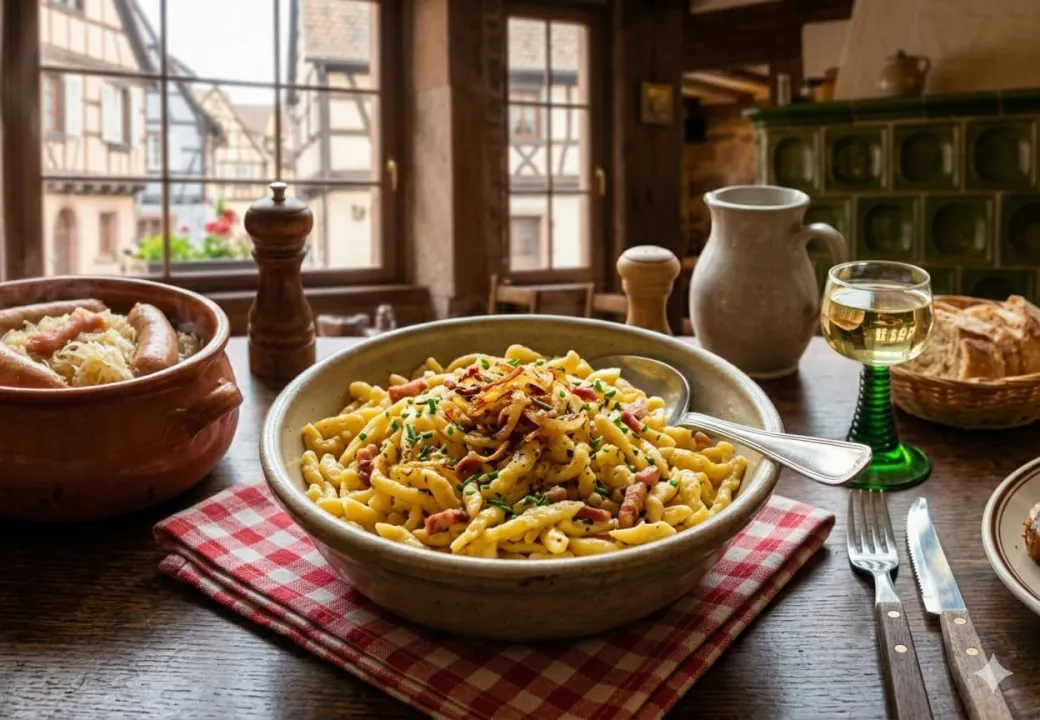
Alsatian Spätzle - The Basic Recipe for Fresh Alsatian Pasta
Show more
Spätzle are the emblematic fresh pasta of Alsatian and Germanic cuisine. These small irregular pasta with a soft and...
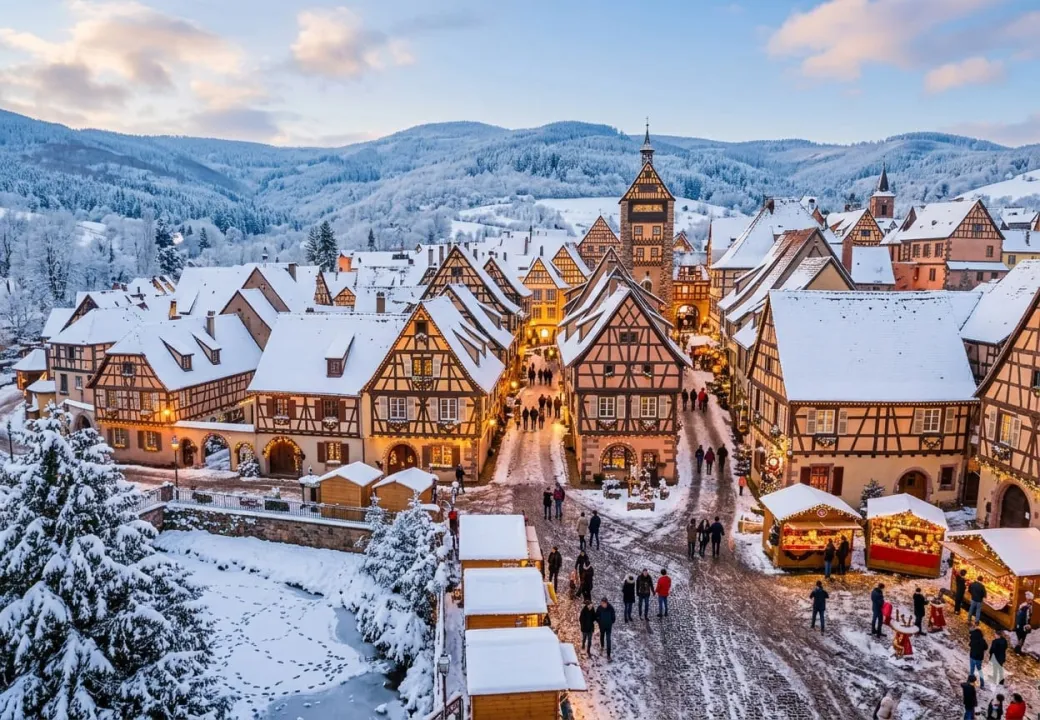
Alsace in Winter - Complete Guide to Visiting the Region in the Cold Season
Show more
Alsace in winter is a unique and unforgettable experience. When snow covers the half-timbered rooftops of the Wine...
Our favourites View all
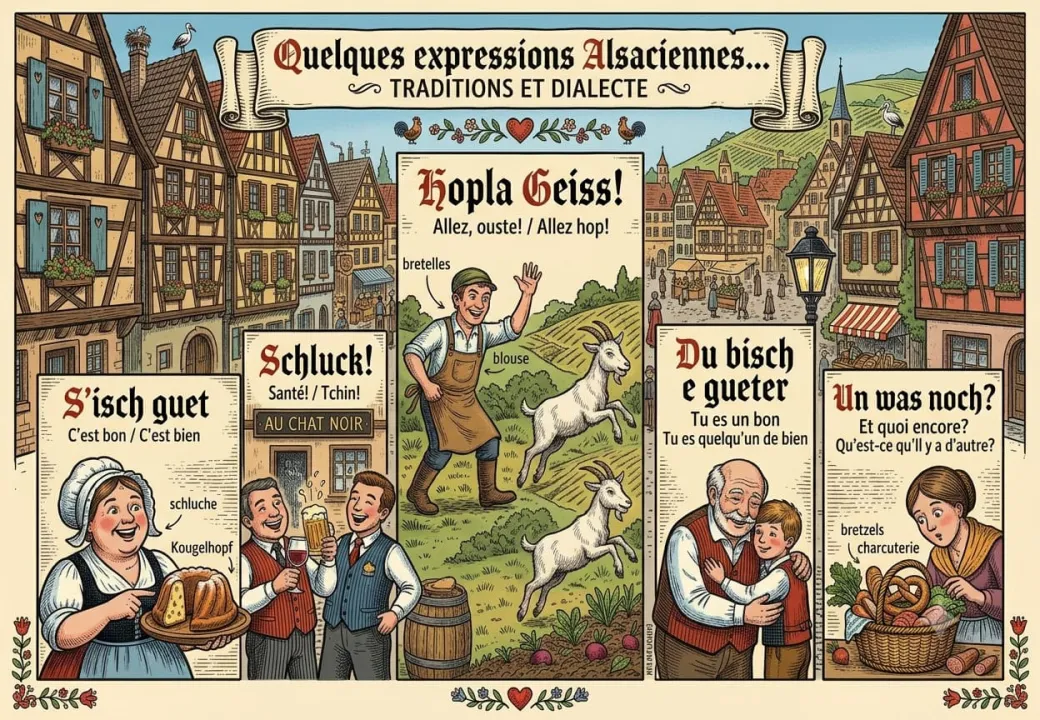
Alsatian Expressions, Expressions of the Alsatian Dialect...
The Alsatian dialect is a Germanic language. It has a multitude of variants from the south (Haut-Rhin) to the north...
Show more

Pay in 4 Interest-Free Instalments with PayPal on Déco Alsace
Déco Alsace now offers payment in 4 interest-free instalments with PayPal for all your purchases of Alsatian products...
Show more

Mondial Relay Delivery Times - France and Europe
You have chosen Mondial Relay for the delivery of your Déco Alsace order? Discover the average delivery times in...
Show more
Recipe for Traditional Alsatian Sauerkraut
Alsatian Sauerkraut is without doubt the most famous dish of Alsatian gastronomy. It is the "choucroute garnie" which...
Show more

Les Estivales d'Obernai - Free Open-Air Concerts since 2005
Since 2005, Les Estivales d'Obernai have transformed the Place du Marché into an open-air concert stage every summer....
Show more
Featured View all
Haut-Koenigsbourg Castle - History and Visit Guide to Alsace's Mighty Fortress
Haut-Koenigsbourg castle is the most visited tourist site in Alsace after Strasbourg, with nearly 500,000 visitors...
Show more
Obernai - Complete Guide to Visiting the Pearl of the Vosges Foothills
Obernai is one of the best-preserved medieval towns in Alsace. Nestled at the foot of the Vosges some twenty...
Show more
Alsatian Sylvaner - The Fresh and Discreet Grape of Alsatian Tables
Alsatian Sylvaner is the great misunderstood of Alsatian grape varieties. Less spectacular than Gewurztraminer, less...
Show more
Alsatian Spätzle - The Basic Recipe for Fresh Alsatian Pasta
Spätzle are the emblematic fresh pasta of Alsatian and Germanic cuisine. These small irregular pasta with a soft and...
Show more
Alsace in Winter - Complete Guide to Visiting the Region in the Cold Season
Alsace in winter is a unique and unforgettable experience. When snow covers the half-timbered rooftops of the Wine...
Show more
Explore by topic
-

Favorite Strolls in Obernai
-

Favourite for the Discovery in Obernai
-

Favourite for Gastronomy in Obernai
-

Favourite for Nature in Obernai
-

Favourite for Heritage in Obernai
-

Favourite for the Landscapes in Obernai


Archived posts
Latest comments View all